
1. News related to events and topics or issues
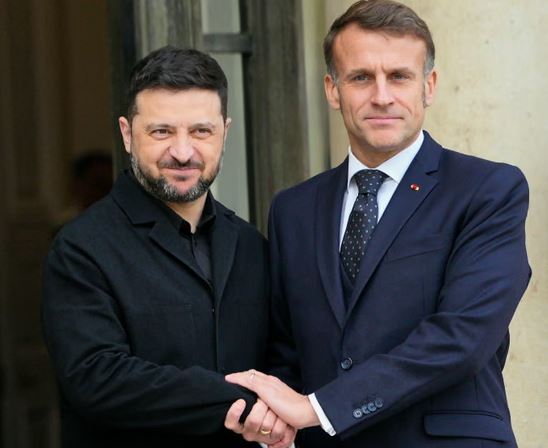
French President Emmanuel Macron reportedly warned Ukrainian President Volodymyr Zelenskyy that “there is a chance that the US will betray Ukraine on territory, without clarity on security guarantees,” according to a leaked note reported by the German magazine Der Spiegel. The note, summarizing a recent call with several European leaders, highlighted deep concerns over Washington’s approach to the ongoing Ukraine peace negotiations. German Chancellor Friedrich Merz reportedly urged Zelenskyy to be cautious, while other leaders, including Finland’s Alexander Stubb and NATO Secretary General Mark Rutte, emphasized the need to protect Ukraine from diplomatic pressure during ongoing talks with US envoys, including Steve Witkoff and Jared Kushner. The reported remarks sparked debates over the alignment between Ukraine, Europe, and the United States amid sensitive negotiations.
2. Causes of events and topics or issues
The warning from Macron and expressions of caution from other European leaders stem from a tense diplomatic environment surrounding the US-led peace initiatives for Ukraine. Last month, Washington presented a 28-point proposal to end the war, criticized by European allies for being drafted without their input and appearing too close to Moscow’s demands. The subsequent flurry of diplomacy, including US and Ukrainian talks in Geneva and Florida and the envoy mission to Moscow, has fueled European concerns that Ukraine could be pressured into an unfavorable settlement. German Defence Minister Boris Pistorius described an imposed peace as potentially “disastrous” for Kyiv and Europe, and Merz argued for European control over frozen Russian assets to ensure Ukraine’s protection and safeguard European security.
3. Lessons to be learned from events and topics or issues
The situation underscores the importance of European strategic autonomy and vigilance in international diplomacy. European leaders’ caution reflects the need for careful negotiation and independent decision-making to prevent smaller or dependent nations from being undermined by larger powers. It also highlights the complexities of multilateral diplomacy during conflicts, where unilateral proposals or external pressure can threaten both the security of affected nations and regional stability. The call for Europe to assert control over financial resources and diplomatic influence demonstrates that maintaining sovereignty, supporting allies effectively, and coordinating carefully are essential lessons for protecting both national and continental security in crises.