
1. News related to events and topics or issues
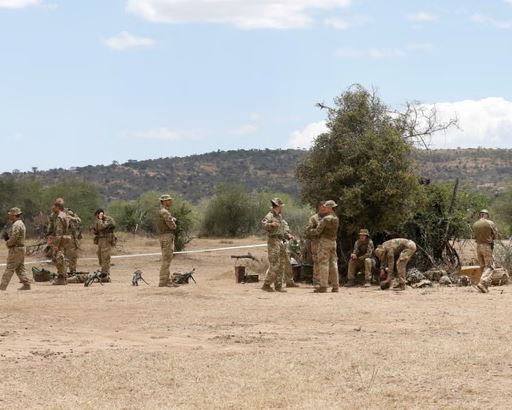
A report by the Kenyan parliament has alleged serious misconduct by British soldiers stationed at the British Army Training Unit in Kenya (Batuk) near Nanyuki. The inquiry, carried out by Kenya’s departmental committee on defence, intelligence, and foreign relations, found evidence of human rights violations, sexual abuse, environmental destruction, and civilian harm. The report details sexual misconduct including rape, assault, and abandonment of children fathered by soldiers, as well as mishandling of cases by local authorities. Other allegations include killings, injuries from unexploded ordnance, and ecological damage caused by military exercises, including a 2021 fire that destroyed over 10,000 acres of land and disrupted local wildlife and communities. A former British soldier has been arrested in connection with the death of Agnes Wanjiru, whose body was found in 2012, with extradition proceedings underway.
2. Causes of events and topics or issues
The report attributes the misconduct and destruction to a combination of institutional resistance and lack of accountability. Batuk personnel reportedly declined to cooperate with the parliamentary inquiry, citing diplomatic immunity, and previous internal investigations were dismissed without publishing findings. The absence of legal mechanisms in both the UK and Kenya to hold Batuk soldiers accountable contributed to ongoing issues, including failures to ensure child support, prosecute sexual offenses, or prevent environmental damage. Military exercises involving loud explosions, heavy troop movements, and use of aircraft over farmland disrupted ecosystems, displaced wildlife, and endangered residents, demonstrating systemic neglect of social and environmental responsibilities.
3. Lessons to be learned from events and topics or issues
The inquiry highlights the importance of oversight, accountability, and clear conduct standards for foreign military personnel. Recommendations include developing a visiting forces code of conduct with zero tolerance for sexual violence, establishing a survivor liaison unit to provide legal aid, and creating a military-linked crimes taskforce to oversee investigations and prosecutions. The case emphasizes that host nations must have mechanisms to hold foreign troops accountable, safeguard civilian rights, and protect the environment, while sending a message to military powers that diplomatic immunity cannot excuse human rights abuses or ecological destruction. The UK Ministry of Defence has indicated willingness to investigate new allegations once evidence is provided.