
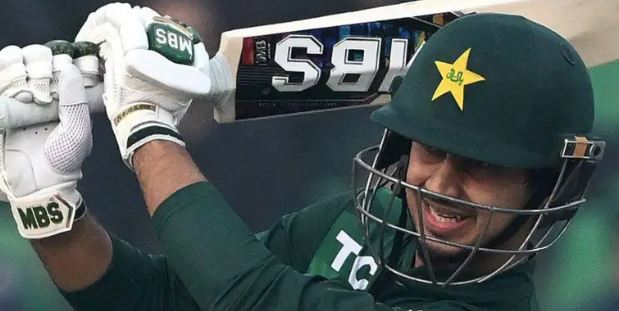
Pakistan has confirmed it will compete in the men’s T20 World Cup but will boycott its scheduled match against co-host India. The teams were due to meet in Colombo under a neutral-venue agreement. Bangladesh earlier withdrew over travel safety fears and was replaced by Scotland. The International Cricket Council has not announced sanctions. Pakistan remain in Group A and enter the tournament after a strong series sweep against Australia.
The dispute is rooted in long-standing political tensions between India and Pakistan, which have limited bilateral cricket for over a decade. Security concerns, diplomatic strain and domestic political pressure influence sporting decisions. Bangladesh’s withdrawal heightened sensitivity around travel and safety narratives. Neutral-venue agreements attempt compromise, yet mistrust persists. Governments weigh national sentiment against international commitments, showing how geopolitics continues to shape participation in global sporting tournaments and institutional authority.
The episode shows how politics can overshadow sport when diplomacy fails. International competitions require cooperation, trust and consistent rules to protect fairness. Sporting bodies must strengthen conflict-resolution frameworks to prevent disruption. Nations learn that dialogue and confidence-building are essential for cultural exchange through sport. Fans are reminded that athletics can unite rivals, but only when institutions prioritize stability, safety and mutual respect over short-term political confrontation.