
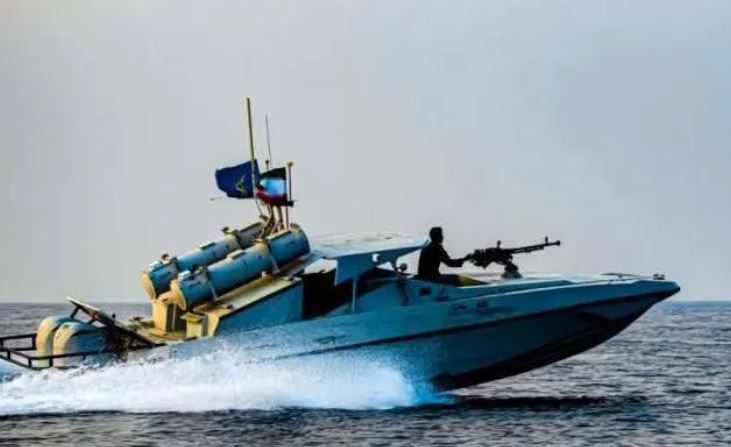
Iran’s Supreme Leader Ayatollah Ali Khamenei warned that any US attack would trigger a regional war as Washington increases military presence near Iran. The US aircraft carrier USS Abraham Lincoln is operating nearby while tensions grow over Iran’s nuclear programme and protest crackdown. Both sides signal possible negotiations, yet explosions inside Iran and threats over the Strait of Hormuz have heightened anxiety across the Middle East and global energy markets.
The crisis stems from deep mistrust between Iran and the United States, nuclear disputes, and anger over Iran’s violent suppression of protests. Military deployments aim to deter escalation but also provoke fear and nationalist rhetoric. Strategic waterways like Hormuz raise global stakes. Domestic unrest pressures Iranian leadership, while US political messaging links human rights and nuclear concerns, creating a volatile mix of security competition, ideology, and geopolitical rivalry that fuels confrontation.
The situation teaches that military posturing can rapidly escalate fragile disputes into wider conflict. Diplomacy, transparency and crisis communication are essential to prevent miscalculation. Global energy security depends on regional stability, showing how local tensions carry worldwide consequences. Governments must prioritize negotiation over threats, protect civilian lives during unrest, and strengthen international mechanisms that reduce confrontation, proving that restraint and dialogue are more powerful than intimidation in preserving peace.