
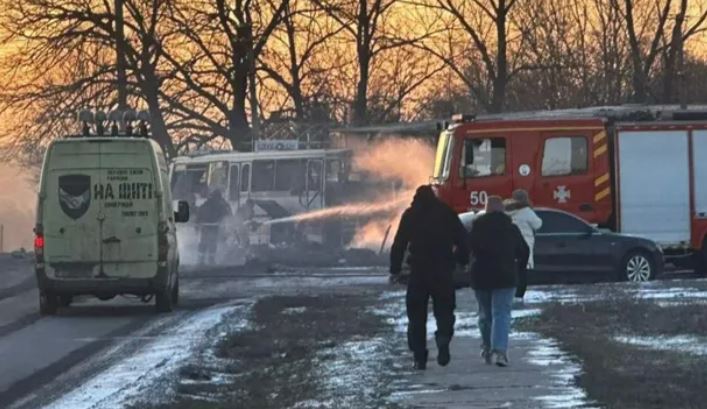
A Russian drone strike in eastern Ukraine killed 15 miners travelling on a company bus, Ukraine’s energy firm DTEK said, with seven others injured. Separate attacks killed additional civilians, including victims at a maternity hospital in Zaporizhzhia. Ukrainian officials condemned the strikes as attacks on civilians. The violence comes amid continued assaults on energy infrastructure and delayed diplomatic talks aimed at ending nearly four years of war.
The deaths result from the prolonged Russia-Ukraine conflict, where military pressure targets infrastructure and transport routes. Strategic attacks intensify during winter, worsening humanitarian strain. Distrust between Moscow and Kyiv undermines ceasefire efforts, while expiring informal pauses invite renewed strikes. Political rivalry, territorial disputes and failed negotiations sustain the cycle of retaliation. Civilians become exposed because warfare increasingly overlaps with daily infrastructure, blurring lines between military and non-military spaces.
The tragedy shows the urgent need to protect civilians during armed conflict. International law demands restraint, yet enforcement remains fragile without cooperation. Sustainable peace requires credible negotiations, humanitarian safeguards and accountability for violations. Societies learn that war destroys essential services and human dignity. Strengthening diplomacy, crisis mediation and civilian protection mechanisms is vital to prevent repeated suffering and to prioritise human life over strategic advantage in modern warfare.